Table of contents
Nestled in the heart of southern France, the Occitanie region is sprinkled with communes that brim with centuries-old secrets and fascinating stories. Among these hidden treasures, one particular commune stands out for its rich historical tapestry and undeniable charm. Embark on a journey through winding cobblestone streets and discover why exploring the historical gems of this captivating village is an experience every history enthusiast should anticipate. Let curiosity guide you as you delve into the wonders that await in the following sections.
Medieval landmarks and architecture
Medieval Occitanie is renowned for its remarkable historical architecture, which is vividly showcased in the commune’s ancient fortifications, stone buildings, and Romanesque structures. Dominating the skyline, the central fortified castle stands as a testament to the strategic significance the locality held during the Middle Ages, once serving as both a defensive stronghold and administrative center. Encircling the heart of the village, remnants of the original ramparts and defensive towers evoke the turbulent periods of regional conflict, while the fortified gates—some still bearing traces of medieval carvings—reflect the commune’s legacy as a crossroads of commerce and defense.
Among the most treasured heritage sites are the Romanesque church, celebrated for its distinctive semi-circular arches, sculpted capitals, and robust stone masonry, and the parish hall, whose thick stone walls attest to centuries of communal gathering and local governance. These well-preserved examples of historical architecture not only provide insight into the commune’s architectural evolution but also illustrate the broader narrative of religious, social, and military life in medieval Occitanie. Visitors exploring these enduring landmarks gain a genuine sense of how ancient fortifications and stone buildings shaped the daily rhythms and long-term development of this charming regional jewel.
Religious heritage and monuments
The sacred heritage of this Occitanie commune is vividly reflected in its remarkable collection of religious monuments and sites. Visitors encounter a tapestry of centuries-old Occitanie churches, chapels, and even a monastery that collectively shape the spiritual and cultural landscape. One striking hallmark is the Romanesque apse found in the main parish church, adorned with intricate stone carvings and capitals depicting biblical scenes and local saints—details that illustrate the artistic sophistication of medieval craftsmen. Stained glass windows infuse interiors with colored light, their luminous narratives honoring both patron saints and regional traditions. Such features not only beautify the spaces but also underscore the role of these buildings as waypoints on historic pilgrimage routes winding through the region. Beyond their architectural brilliance, these monuments serve as living testimony to the intertwining of faith, artistic expression, and communal identity throughout local history.
Traditional festivals and folklore
Occitanie festivals in this picturesque commune are celebrated with great fervor, offering a vivid reflection of the region’s rich historical celebrations and deep-rooted traditional customs. Throughout the year, residents participate in lively village events, where music, dance, and gastronomy blend seamlessly with local folklore, creating an atmosphere that feels both timeless and intimately communal. Many of these traditions have been preserved through a vibrant oral tradition, ensuring that stories, rituals, and even recipes are passed down from one generation to the next, helping to shape a unique communal identity that stands out within the broader landscape of Occitanie.
These Occitanie festivals are more than mere entertainment; they serve as pivotal moments for reinforcing social bonds and celebrating shared heritage. During annual fairs and parades, locals don traditional attire and perform age-old dances that honor their ancestors, while communal feasts showcase regional cuisine. Such historical celebrations not only attract visitors but also foster a sense of belonging and pride among residents. Those interested in immersing themselves in these cherished customs and experiencing a true taste of Occitanie culture should consider taking the opportunity to Visit Arcambal, where the spirit of tradition is alive in every event.
Archaeological treasures unearthed
Occitanie archaeology has delivered fascinating insights thanks to the remarkable excavation sites scattered across this picturesque commune. Stratigraphy has revealed intricate layers of human activity, unearthing ancient artifacts ranging from Roman pottery shards and Iron Age tools to medieval coins. In several burial sites, archaeologists have discovered grave goods that illustrate local customs, trade links, and daily life spanning millennia. The presence of ruined fortifications and villa foundations further highlights the commune's role as a crossroads for various civilizations. These historical discoveries not only enrich the archaeological heritage of the area but also illuminate the broader patterns of settlement, conflict, and cultural exchange that have shaped the Occitanie region over centuries.
Every ancient artifact recovered during systematic excavations provides a window into the evolution of local society and its integration within the wider historical landscape of southern France. The methods employed, especially detailed stratigraphy, have allowed researchers to date occupation layers with precision, connecting these findings to significant events and movements within Occitanie archaeology. Together, these discoveries contribute to a growing understanding of how this commune has both influenced and reflected regional developments, underscoring the community's enduring place in the archaeological heritage of Occitanie.
Enduring legacy in local life
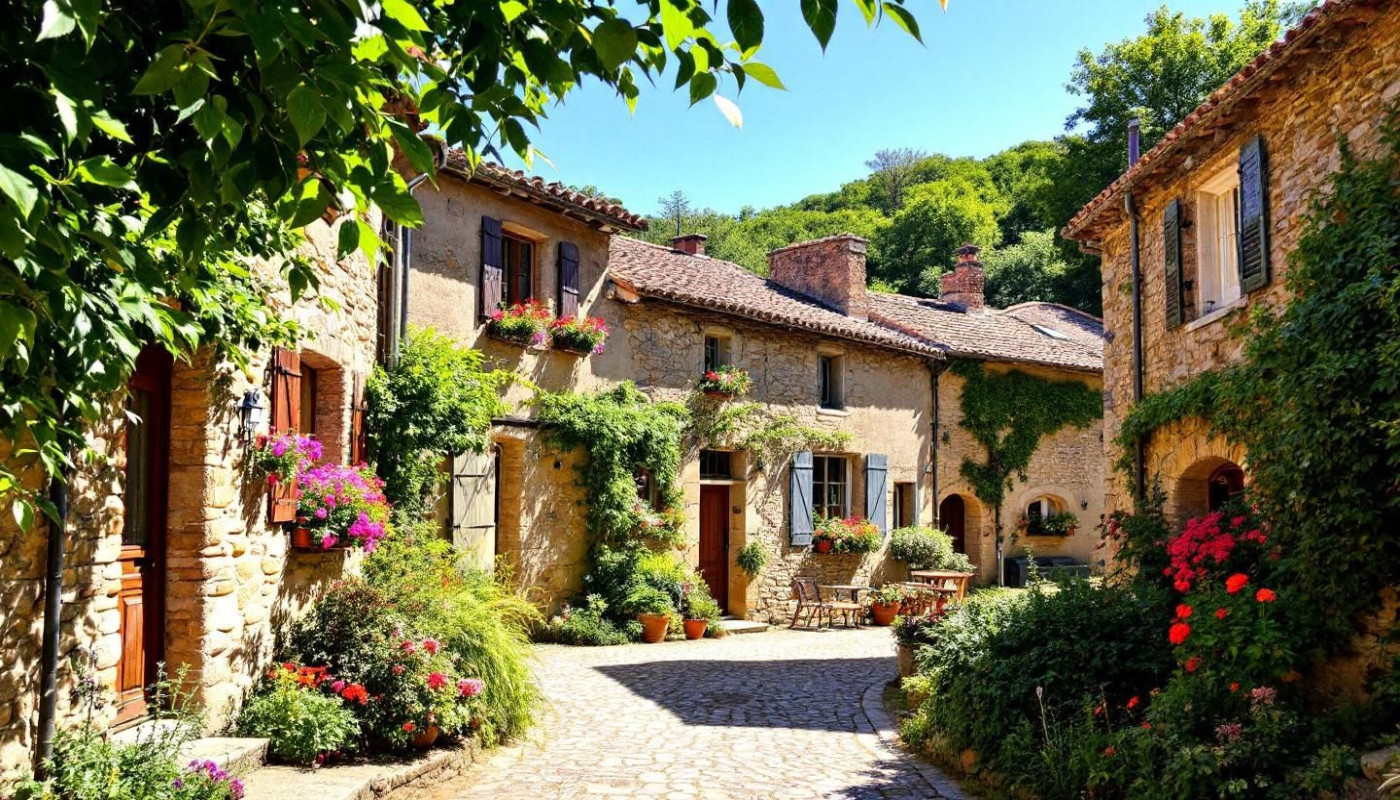
The imprint of Occitanie history is immediately visible in the communal landscape, where ancient stone buildings, narrow winding streets, and timeworn squares offer a living testimony to the region's rich past. Architectural details, such as Romanesque churches and medieval fortifications, are carefully maintained through historic preservation efforts, ensuring that each structure contributes to the village lifestyle and aesthetic continuity. This architectural heritage not only defines the visual character of the commune but also acts as a daily reminder of its enduring cultural legacy.
Cultural continuity thrives in the way local traditions are woven into contemporary life. Seasonal festivals, artisanal markets, and communal gatherings reflect centuries-old customs, many of which have evolved but retain their original spirit. Residents embrace traditional crafts, regional gastronomy, and unique dialects, adapting practices to suit modern contexts while honoring ancestral roots. This dynamic interplay between adaptation and preservation sustains a strong sense of identity, allowing the commune’s cultural legacy to flourish amid changing times and affirming its role as a cherished part of Occitanie history.
Similar
Why Do Hidden Villages Captivate Seasoned Travelers?

How Ticketing Trends Are Reshaping Destination Choices Worldwide

Exploring The Hidden Gems Of New York City's Five Boroughs
